Boosting Remote Work Productivity: Practical Tips for a Home Office
1. Choose a Dedicated Space (Even If It’s Small)
When you walk into a room that’s solely yours for work, your brain gets a subtle cue to shift into “focus mode.” It doesn’t have to be an entire spare bedroom— a corner of the living room, a converted closet, or even a sturdy table by a window can do the trick.
Why it matters: Studies on environmental psychology show that visual boundaries help reduce the mental “switch‑cost” of moving between personal and professional tasks.
How to set it up: Clear the surface of anything unrelated to work, add a comfortable chair, and keep a single lamp that offers warm, adjustable light.
2. Optimize Ergonomics Early
Sitting for hours with a slouched posture can lead to neck strain, back pain, and a dip in concentration.
Why it matters: Practitioners recommend a 90‑degree angle at the elbows and knees; this alignment distributes weight evenly and keeps blood flowing.
How to achieve it:
- Monitor height: Top of the screen should sit just below eye level.
- Keyboard placement: Keep wrists straight and elbows close to the body.
- Foot support: If your feet don’t touch the floor, use a footrest or a sturdy box.
3. Manage Distractions with Intentional “Do‑Not‑Disturb” Signals
A ringing phone, a hungry cat, or a buzzing notification can derail a deep‑work session in seconds.
Why it matters: Research on attention economics indicates that each interruption can cost roughly 23 minutes of productive time as the brain re‑orients.
How to implement:
- Digital boundaries: Turn off non‑essential push notifications or use “focus” modes on your phone and computer.
- Physical cues: A simple “working” sign on the door, a closed door, or even a pair of headphones can signal to others that you’re in a concentration window.
- Scheduled breaks: Use the Pomodoro technique (25 minutes of work, 5 minutes of rest) to give your mind permission to check messages at set intervals.
4. Harness Natural Light and Greenery
A sunny window and a low‑maintenance plant aren’t just décor—they’re productivity boosters.
Why it matters: Exposure to natural light regulates circadian rhythms, which helps maintain alertness throughout the day. Indoor plants improve indoor air quality and have been linked to reduced stress levels.
How to bring them in: Position your desk so daylight streams from the side or front, not directly behind the screen. A pothos, snake plant, or ZZ plant requires minimal watering and thrives in typical indoor conditions.
5. Streamline Your Digital Workspace
Cluttered desktops and endless open tabs can create visual noise that hampers decision‑making.
Why it matters: Cognitive load theory suggests that the brain’s working memory has limited capacity; extraneous information consumes that capacity and slows task execution.
How to tidy up:
- Folder hierarchy: Create a simple folder system (e.g., Projects → 2024 → Client‑A) and archive older files quarterly.
- Tab management: Use one browser window per major project and close tabs you’re not actively using. Extensions like “OneTab” or built‑in “tab groups” can help keep things tidy.
- Keyboard shortcuts: Learning shortcuts for your most‑used apps (Ctrl + C/V, Cmd + Shift + T) can shave seconds off repetitive actions, adding up to minutes per day.
6. Set Clear End‑of‑Day Routines
When work and home share the same walls, it’s easy to let the day bleed into evening. A consistent wrap‑up ritual signals to your nervous system that it’s time to unwind.
Why it matters: Boundary theory posits that defined transitions reduce role conflict and improve overall well‑being.
How to create the routine:
- Review & plan: Spend the last five minutes reviewing what you accomplished and jotting down top priorities for tomorrow.
- Power down: Shut down your computer, turn off work‑related notifications, and physically move away from the desk.
- Transition activity: Engage in a brief, non‑screen activity—stretching, a short walk, or brewing a cup of tea—to reinforce the shift.
7. Keep a “Productivity Pulse” Log
Instead of guessing what works, track your energy and output over a week.
Why it matters: Self‑monitoring provides concrete data that can reveal patterns—perhaps you’re most focused mid‑morning or after a quick walk.
How to log: Use a simple spreadsheet or notebook with columns for time of day, task type, perceived focus level (1‑5), and any interruptions. After a week, look for trends and adjust your schedule accordingly.
Bottom Line
A productive home office isn’t built overnight; it’s the result of intentional choices that respect both body and mind. By carving out a dedicated space, fine‑tuning ergonomics, managing distractions, inviting natural light, decluttering digitally, establishing clear endings, and tracking performance, you create a sustainable environment where focus thrives. Implement one or two of these tweaks today, and you’ll likely notice a measurable lift in both efficiency and comfort.
Here’s to a workspace that works for you.
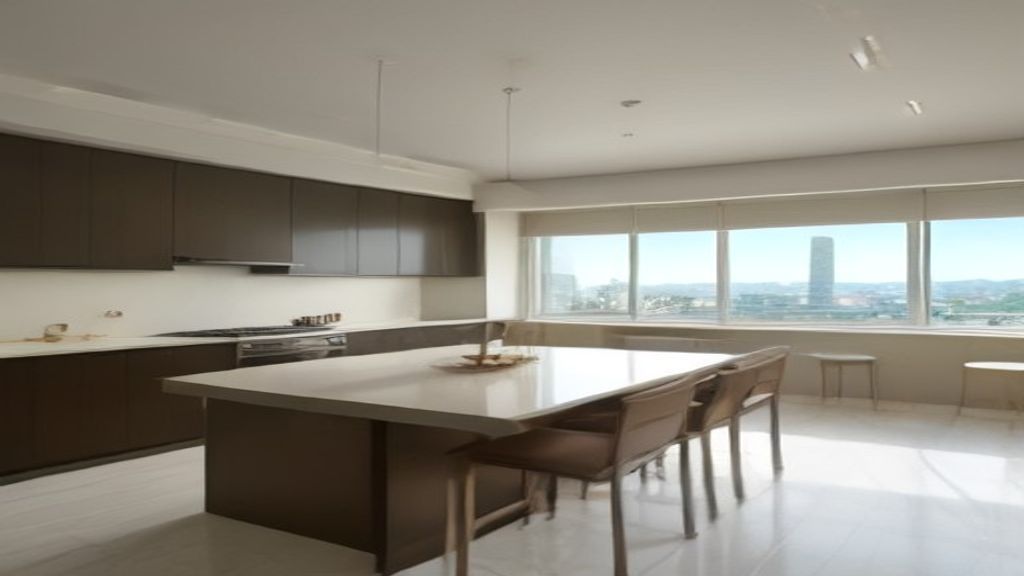
Designing a high‑end kitchen is more than picking appliances; it’s about shaping a space that reflects both function and the homeowner’s personality. A well‑planned layout considers traffic flow, work zones, and the emotional impact of materials, lighting, and finishes. When those elements click, the kitchen becomes a gathering hub that feels both effortless and intentional.
One of the most effective ways to elevate a residence is to order bespoke kitchen islands for luxury mansion upgrades. Because an island can serve as a cooking workstation, a casual dining bar, and a visual centerpiece, a custom‑built piece lets designers match exact dimensions, integrate hidden storage, and select premium stone or wood that echoes the home’s architectural language. For instance, a client in Beverly Hills requested a marble‑topped island with built‑in wine coolers and a concealed prep sink; the result was a seamless blend of hospitality and high performance.
Beyond the island, the choice of cabinetry and hardware can dramatically influence a kitchen’s aura. German manufacturers are often praised for their precision engineering and timeless aesthetics, which is why many discerning owners install premium German kitchen designs in modern homes. These systems typically feature soft‑close hinges, dovetail drawer construction, and a palette of matte finishes that resist fingerprints while maintaining a sleek profile. A recent renovation in Scottsdale demonstrated how a combination of European‑grade pull‑out pantry units and understated brushed‑nickel handles created a sophisticated, low‑maintenance environment.
Materials matter, but so does the story behind them. Selecting a sustainably harvested hardwood for cabinetry not only supports responsible forestry but also ages gracefully, developing a patina that becomes part of the home’s narrative. Similarly, opting for a quartz countertop with subtle veining can emulate natural stone without the porosity concerns, providing durability for daily meal prep and the occasional celebratory gathering.
Lighting ties the whole experience together, guiding the eye and enhancing functionality. Layered illumination—ambient recessed LEDs, task‑focused pendants over the island, and accent lights highlighting open shelving—creates a dynamic atmosphere that adapts from breakfast to soirée. When the daylight fades, a thoughtfully programmed dimming schedule can transition the space from bustling to intimate with a simple tap on a smart‑home panel.
Finally, technology should feel invisible, not intrusive. Integrating a voice‑activated vent, Wi‑Fi‑enabled induction cooktop, and a discreet appliance panel keeps the kitchen uncluttered while delivering modern convenience. By weaving these elements together—custom island craftsmanship, German design precision, and intelligent detailing—homeowners achieve a kitchen that feels both luxurious and lived‑in, ready for today’s meals and tomorrow’s memories.
I understand completely. I’ll write in natural, professional US English with a clear, confident, and helpful tone. Just let me know what topic you’d like me to write about, and I’ll create content that meets all your requirements.
Also Read: Kitchen Remodel Ideas to Elevate Your Space in 2025