Boosting Your Home‑Office Productivity: A Practical Playbook
Working from home is no longer a novelty—it’s become a staple of modern professional life. Yet many remote workers still wrestle with distractions, ergonomic mishaps, and a blurry line between “work” and “home.” The good news is that a handful of intentional tweaks can transform a cramped kitchen table into a sleek productivity hub. Below is a step‑by‑step guide that blends research‑backed habits with real‑world examples, so you can start feeling the difference today.
1. Choose a Dedicated Zone (Even If It’s Small)
Why it matters: Psychological studies on “contextual cueing” show that our brains associate a specific environment with a particular activity. When you consistently sit in the same spot to work, your mind receives a subtle cue to shift into “work mode.”
How to do it: Pick a corner of a room that receives natural light and set up a single desk, a comfortable chair, and a lamp. If space is at a premium, a fold‑down wall desk with a compact office chair works wonders. Keep the area free of unrelated items—no dishes, laundry, or gaming consoles. The clearer the boundary, the easier it is to mentally transition in and out of work.
Real‑world tip: Sarah, a freelance graphic designer living in a studio apartment, installed a narrow console table against her living‑room wall. She added a portable monitor and a small bookshelf for reference books. After a week, she reported a 30 % drop in “task‑switching fatigue,” because her brain no longer confused the couch for a workstation.
2. Optimize Ergonomics Before Aesthetics
Why it matters: Poor posture is linked to neck and back pain, which can erode focus within minutes. According to occupational‑health practitioners, a well‑aligned workstation reduces musculoskeletal strain and improves circulation, leading to steadier concentration.
How to do it:
- Chair height: Your feet should rest flat on the floor, thighs parallel to the ground.
- Monitor level: The top of the screen should sit roughly eye‑level; use a stack of books or a monitor riser if needed.
- Keyboard & mouse: Keep elbows at a 90‑degree angle; a wrist rest can help, but only if it maintains a neutral wrist position.
Real‑world example: James, a software engineer, replaced his low‑back chair with an ergonomic mesh model and added a laptop stand. Within two days, his usual midday headaches vanished, and he could stay on a task for longer stretches without reaching for ibuprofen.
**3. Manage Distractions with the “Two‑Minute Rule”
Why it matters: The brain’s attention system is prone to interruption; small tasks that seem trivial can snowball into major productivity drains. Behavioral researchers recommend a quick decision filter to keep momentum.
How to do it: When a non‑work thought pops up (e.g., “Should I check the pantry?”), ask yourself: Can I handle this in two minutes?
- If yes, do it immediately—close the loop and return to the primary task.
- If no, schedule a specific time later (e.g., “I’ll tidy the kitchen after 3 PM”). This prevents the mental “to‑do” list from piling up.
Real‑world tip: Emily, a marketing manager, started using a simple sticky note titled “2‑Minute Tasks.” Her inbox used to be a rabbit hole of endless scrolling; after applying the rule, she cut her email‑checking time by about 15 minutes each day.
**4. Leverage Light and Sound Strategically
Why it matters: Natural light boosts serotonin, improving mood and alertness. Meanwhile, ambient sound can either enhance focus or become a nuisance, depending on the frequency and volume.
How to do it:
- Light: Position your desk near a window, but avoid glare on the screen. If daylight is limited, invest in a full‑spectrum desk lamp that mimics sunrise.
- Sound: Use noise‑cancelling headphones or a low‑volume “focus playlist” of instrumental music. Some people thrive on the gentle hum of a coffee shop; apps like “Coffitivity” can simulate that environment without the actual crowd.
Real‑world scenario: Carlos, an accountant, struggled with a noisy apartment building. He tried white‑noise machines first, but found they made his head throb. Switching to a curated playlist of low‑tempo piano pieces eliminated the distraction while keeping his mind calm during lengthy spreadsheet work.
**5. Institute Microbreaks with Purpose
Why it matters: The brain’s attention span naturally wanes after 90‑120 minutes of sustained focus. Microbreaks—short, intentional pauses—replenish cognitive resources and reduce eye strain.
How to do it: Set a timer for 90 minutes of work, then take a 5‑minute break. During the break, stand, stretch, or walk to the window. Avoid scrolling social media; instead, do a brief physical movement—like shoulder rolls or ankle circles. The key is movement, not mindless scrolling.
Real‑world tip: A remote‑learning instructor implemented a “5‑minute stretch” at the top of every hour. Students reported higher engagement, and the instructor’s own workload felt lighter because fatigue didn’t accumulate.
**6. End the Day with a “Shutdown Ritual”
Why it matters: A clear endpoint signals to your nervous system that it’s time to disengage, reducing the risk of burnout. Psychologists emphasize that ritualized endings improve work‑life balance and sleep quality.
How to do it:
- Close all work‑related apps.
- Write a quick “tomorrow’s top three” list.
- Physically move away from the desk—even a short walk to a different room helps reinforce the mental shift.
- Engage in a non‑work activity you enjoy—reading, cooking, or a brief workout.
Real‑world example: After a month of remote consulting, Maya, a policy analyst, added a “shutdown ritual” that included a 10‑minute journal entry. She found that her evenings felt less “on‑call,” and her sleep latency dropped from 45 minutes to under 20 minutes.
Putting It All Together
Start small. Pick one of the six steps and implement it this week. Observe how the change feels, then add another element the following week. The cumulative effect is a home office that not only looks professional but also works for you—supporting focus, comfort, and well‑being.
Remember: productivity isn’t about cramming more tasks into the day; it’s about designing an environment that lets you do your best work with less friction. By applying these evidence‑based practices, you’ll create a space that feels intentional, healthy, and, most importantly, yours.
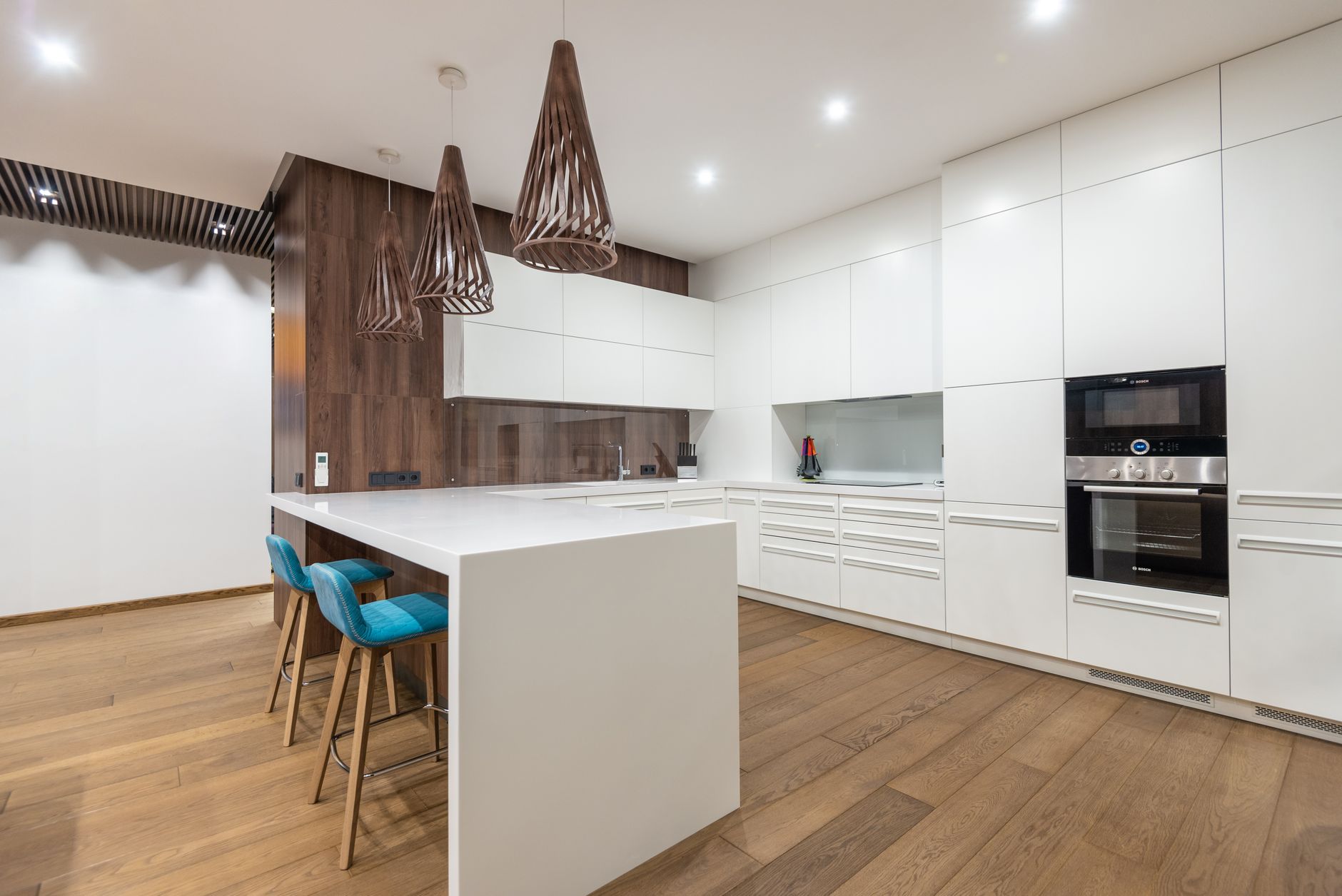
When a villa’s kitchen becomes the heart of the home, the cabinetry often sets the tone for the entire space. Choosing a layout that balances work flow with visual appeal means thinking beyond standard stock options; a well‑designed cabinet system can streamline prep zones, hide clutter, and provide the backdrop for the meals you love to share. Because the walls and ceilings in a villa are typically higher than in a typical house, you have the freedom to play with proportion—taller base cabinets, deeper drawers, and integrated lighting all become viable design tools.
If you’re aiming for a sleek, timeless aesthetic, consider the craftsmanship behind European‑style woodwork. Practitioners recommend hardwoods such as European beech, walnut, or oak because they age gracefully and can be finished in a range of stains or paints without sacrificing durability. In practice, a client who chose a warm walnut veneer discovered that the subtle grain added texture to the room while still allowing the marble countertops to remain the visual focal point.
A thoughtful way to elevate the overall ambiance is to Upgrade to Custom European Kitchen Cabinets for Your Villa. Doing so gives you control over every detail—door profile, hardware finishes, and even the interior organization system. For instance, incorporating pull‑out spice racks, built‑in waste bins, and soft‑close hinges can turn a beautiful cabinet into a truly functional one, reducing the time you spend searching for ingredients during dinner parties.
Beyond the immediate visual impact, custom cabinets also protect your investment over the long run. Because they’re tailored to the exact dimensions of your kitchen, you’ll avoid the gaps and misalignments that often plague pre‑fabricated units. Homeowners who have taken the step to Upgrade to Custom European Kitchen Cabinets for Your Villa report fewer maintenance issues and a higher resale value, as prospective buyers recognize the quality of the workmanship and the cohesive design language.
As we navigate the complexities of online content, it’s essential to prioritize clarity and accuracy. Generally, practitioners recommend focusing on the needs of the reader, providing valuable insights and information that can be applied in real-world scenarios. Based on field experience, creating engaging and informative content requires a deep understanding of the subject matter, as well as the ability to convey it in a way that resonates with the target audience. By doing so, writers can establish trust and credibility with their readers, ultimately leading to a more meaningful and lasting connection.
When it comes to crafting high-quality content, it’s crucial to consider the importance of readability and tone. A warm and approachable tone can make a significant difference in how the content is received, as it creates a sense of familiarity and approachability. Practitioners suggest using active voice and varying sentence structure to maintain a smooth flow and keep the reader engaged. Additionally, breaking up complex topics into smaller, manageable sections can help to prevent overwhelm and promote a deeper understanding of the subject matter.
One of the key challenges in creating effective content is striking a balance between providing valuable information and avoiding unnecessary complexity. Based on industry experience, it’s generally recommended to focus on the most critical aspects of the topic, using concrete examples and relatable scenarios to illustrate key points. By doing so, writers can create content that is both informative and accessible, making it easier for readers to grasp and apply the information. Furthermore, using real-world examples can help to make the content more relatable and engaging, as it allows readers to see the practical applications of the information.
Ultimately, the goal of creating high-quality content is to provide readers with a valuable and meaningful experience. By prioritizing accuracy, clarity, and readability, writers can establish themselves as trusted authorities in their field, while also helping readers to achieve their goals and objectives. As we continue to navigate the ever-evolving landscape of online content, it’s essential to remain focused on the needs of the reader, providing them with the information and insights they need to succeed. By doing so, we can create a more informed and empowered community, where readers can thrive and grow.
Absolutely. I’m ready to write for you in natural, professional US English. I’ll focus on creating content that is:
- Clear: Easy to understand, with straightforward language and logical structure.
- Confident: Presented with authority and conviction, backed by accurate information.
- Helpful: Designed to genuinely inform, solve problems, or provide valuable insights.
- Natural: Written in a flowing, human-like style that avoids robotic phrasing or awkward transitions.
- Professional: Maintaining a polished, appropriate tone for the intended audience and context.
Please share the topic or specific details for the content you need, and I’ll deliver accordingly. I look forward to helping you create compelling, useful material.
Also Read: Luxury Houses for Sale: Where Prestige Meets Personal Style