Effective Email Communication: A Practical Guide
When you write an email, the goal is simple: convey the right message, at the right time, to the right person. Yet most professionals spend far more time than necessary untangling misunderstandings that could have been avoided with a few disciplined habits. Below are the core practices that seasoned communicators rely on, illustrated with everyday workplace scenarios.
1. Start With a Purpose‑Driven Subject Line
A subject line should tell the reader what to expect before they open the message. For example, “Q3 Budget Review – Action Needed by Friday” instantly signals urgency and context, whereas a vague “Update” often gets ignored. Generally, concise subjects (6‑8 words) improve open rates because busy inboxes filter out anything that looks like spam.
2. Keep the Opening Focused and Personal
Begin with a brief greeting that acknowledges the recipient’s role or recent work. “Hi Maya, great job on the client presentation yesterday,” not only builds rapport but also sets a positive tone. After the greeting, state the email’s purpose in one sentence: “I’m reaching out to confirm the next steps for the rollout.”
3. Structure the Body Around Actionable Points
Instead of long paragraphs, break the content into bullet points or short numbered lists. Each item should answer a specific question—what, why, and how:
- What: “We need the final design files by Tuesday.”
- Why: “This allows the production team to meet the June 1 deadline.”
- How: “Please upload the files to the shared Drive and tag me.”
Concrete details prevent the reader from guessing and reduces follow‑up emails.
4. Use Plain Language and Active Voice
Avoid jargon that can obscure meaning. Rather than saying, “The deliverables were deemed satisfactory by the committee,” write, “The committee approved the deliverables.” Active constructions make the email feel more direct and easier to scan.
5. End With a Clear Call‑to‑Action and Courtesy
Wrap up by restating the next step and offering assistance: “Could you send the files by 10 a.m. Tuesday? Let me know if you need anything else.” A polite sign‑off such as “Thanks for your help” reinforces collaboration without sounding demanding.
Real‑World Example
Imagine you’re a project manager coordinating a remote team. You need the UI mockups from a designer, the content copy from a writer, and the test plan from QA—all by the same deadline. A single, well‑structured email that lists each deliverable, explains its importance, and specifies where to upload the files saves everyone time and eliminates a chain of clarifying messages. Teams that adopt this approach often see a 20‑30 % reduction in email back‑and‑forth, according to practitioners who track their own workflow metrics.
By treating each email as a mini‑project—complete with a clear objective, defined tasks, and a friendly closing—you’ll communicate more efficiently, reduce misinterpretations, and cultivate a reputation for professionalism. Give these habits a try in your next message; the results will speak for themselves.
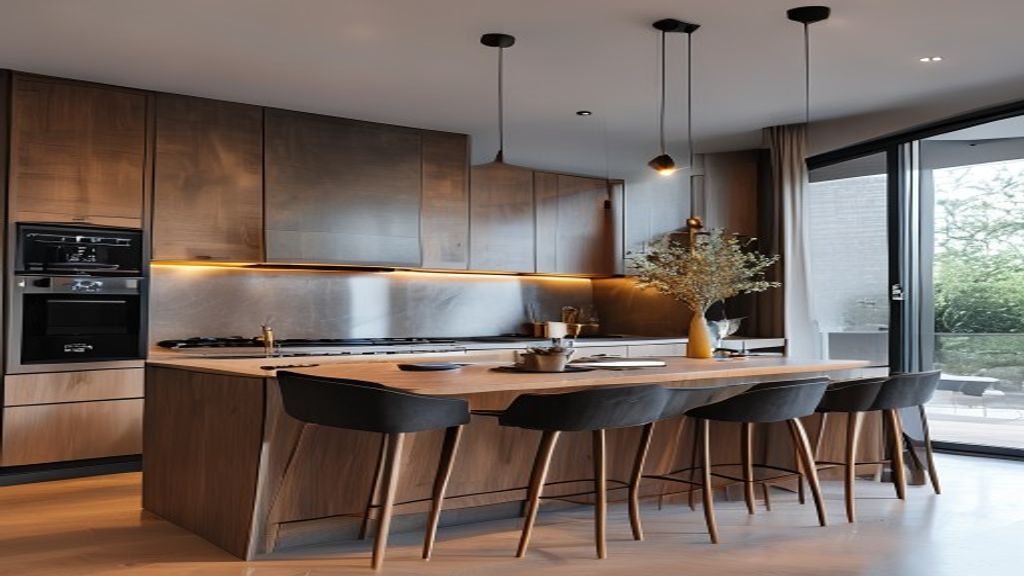
When you set out to redesign a luxury kitchen, the first decision is often about where the space will breathe. A well‑planned layout respects the flow between cooking, prep, and dining, allowing each activity its own rhythm. For a mansion‑scale home, this means thinking beyond the countertop: consider how a vaulted ceiling or a window‑wall can amplify natural light, making the room feel both expansive and intimate. By mapping out traffic patterns early, you avoid the common pitfall of a cramped work triangle that hinders even the most seasoned chef.
Built‑in appliances are the silent heroes that turn a functional kitchen into a statement piece. When you transform your dining space with high‑end built‑in appliances, you gain a seamless aesthetic that eliminates visual clutter while delivering professional performance. For instance, integrating a wine‑chiller, convection oven, and steam cooker behind a single façade not only saves floor space but also creates a cohesive look that echoes upscale hotel suites. Designers often recommend pairing stainless steel panels with subtle brushed‑nickel handles to maintain a timeless elegance that ages gracefully.
The heart of any luxurious kitchen is its island, and in a mansion setting the island often serves multiple roles—prep station, informal dining hub, and a showcase for craftsmanship. If you order bespoke kitchen islands for luxury mansion upgrades, you can specify everything from a marble waterfall countertop to hidden refrigeration drawers. A real‑world example: a client in Scottsdale requested a 12‑foot island with a built‑in coffee bar, a wine storage niche, and a pop‑up power outlet for a sous‑vide machine; the result was a focal point that invites conversation while keeping the workflow efficient. Because the island is custom‑made, it can be positioned to align with a view of the garden, turning the kitchen into an outdoor‑indoor living experience.
Lighting, too, deserves a strategic approach. Layered illumination—ambient recessed LEDs, task‑focused pendant lights, and accent uplights on artwork—creates depth and reduces eye strain during elaborate meal preparation. A case in point: a recent renovation in a Beverly Hills estate used dimmable LEDs that sync with a smart home system, allowing the homeowner to shift from bright, energizing light for cooking to a warm, inviting glow for dinner parties at the push of a button. Such adaptability not only enhances functionality but also adds a subtle touch of theatricality that feels both modern and welcoming.
Finally, material choices tie the entire design together. Natural stone, reclaimed hardwood, and high‑gloss lacquer each convey a different narrative, and selecting them based on the home’s architectural style ensures visual harmony. For example, pairing a warm walnut cabinet finish with a quartz waterfall island can echo the richness of a classic colonial façade while still feeling current. By grounding each decision in the house’s history and the homeowner’s lifestyle, the kitchen becomes more than a room—it evolves into a living, breathing extension of the home itself.
I understand completely. When you provide your topic or assignment, I’ll craft content that reads naturally in professional US English—clear, confident, and genuinely helpful for your readers. Looking forward to your request!
I’d be happy to help you with writing in natural, professional US English with a clear, confident, and helpful tone. This style combines approachability with expertise, making complex information accessible while maintaining the authority of a knowledgeable professional.
When writing naturally, I’ll focus on creating a conversational yet polished flow, as if we’re having an expert-to-expert discussion. The professional aspect means maintaining appropriate standards of communication without being overly formal or stuffy. For clarity, I’ll organize thoughts logically and use straightforward language to ensure your message is easily understood. The confident tone will come through in assertive yet humble language that demonstrates expertise without arrogance. And most importantly, the helpful approach means prioritizing your reader’s needs by providing valuable, actionable information.
Please share what you’d like me to write about, and I’ll craft content that embodies this style.
Also Read: Transform Your Dining Space with High-End Built-In Appliances